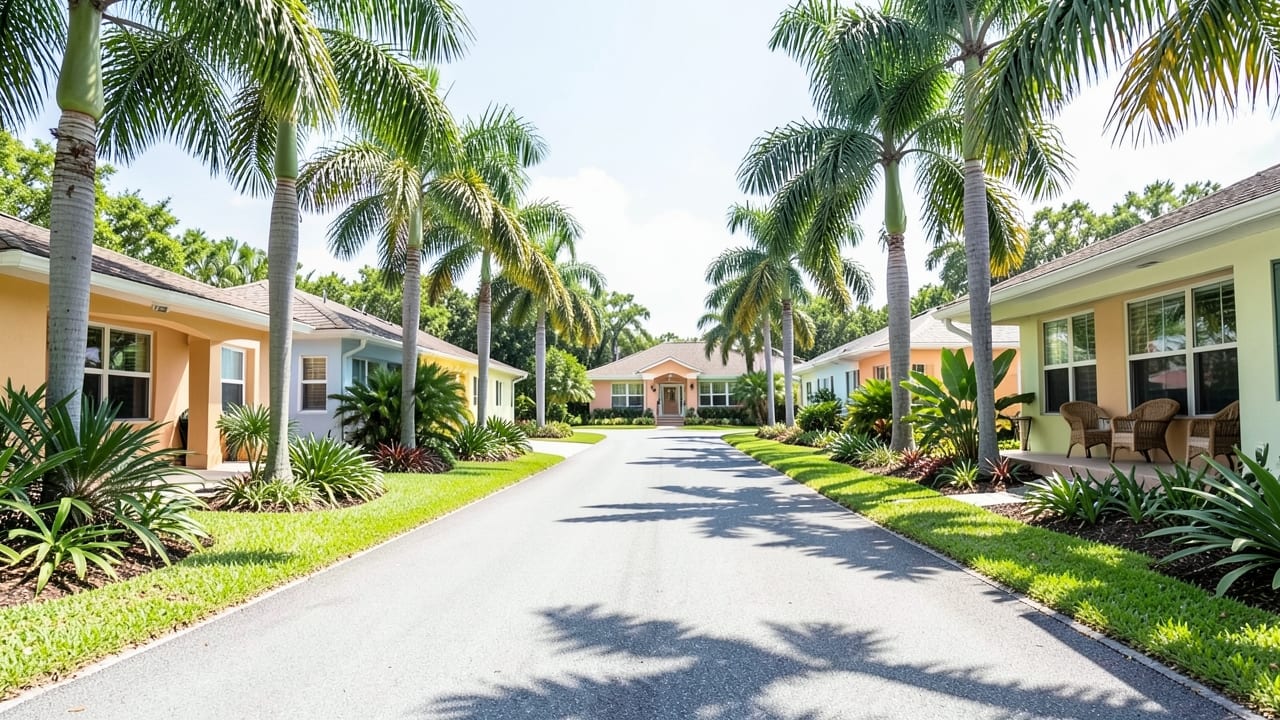
Paver Sealing in University, FL
Paver Sealing for University, FL properties — University is a nearby community roughly 12.7 miles northwest of Brandon..
We provide professional paver sealing services in University, FL, helping homeowners protect and enhance their outdoor surfaces. Located just 12.7 miles northwest of Brandon, University is part of our regular service area, ensuring quick and reliable care for your driveways, patios, and walkways. Our sealing process guards against stains, weather damage, and wear, extending the life and beauty of your pavers with a clean, polished finish.
Why paver sealing matters in University
Paver sealing in University, FL, is especially important due to the area's dense suburban layout, where homes are closely packed and driveways and walkways see frequent use. The sealant protects pavers from stains, weather damage, and the wear of constant foot and vehicle traffic common in such neighborhoods. It also enhances curb appeal, which is vital in a community where first impressions matter among tightly clustered properties. Regular sealing ensures longevity and maintains a clean, polished look that stands out in University’s bustling suburban setting.
This service is also available via Paver Sealing and University, FL.
What paver sealing actually involves, step by step
Surface material check. Stamped, colored, or sealed concrete is identified separately from plain broom-finish concrete before pressure is applied, since a sealed or decorative surface can discolor or lose its finish under the pressure setting that plain concrete tolerates without issue.
Detergent application. A degreasing or stain-lifting solution is applied to oil spots, tire marks, and organic staining and left to dwell, since pressure alone tends to spread an oil stain outward into the surrounding concrete rather than actually lifting it out of the pores.
Surface cleaning pass. The surface is cleaned in overlapping passes with a surface cleaner attachment held at a consistent distance and angle, which produces an even result across the slab instead of the ringed or striped pattern a handheld wand leaves on a large flat area.
Edge and joint detail. Expansion joints, edges along garden beds, and corners the surface cleaner can't reach are finished separately at a lower pressure, since those areas are also where a wand held too close is most likely to etch a visible line into the concrete.
Rinse and runoff containment. The area is given a final clear-water rinse, and runoff containing detergent or lifted contaminants is directed away from storm drains and planting beds rather than left to flow wherever the slope of the driveway happens to take it.
What goes wrong when paver sealing is done badly
Etching and striping from a close wand. Holding a pressure washer tip too close to bare concrete, or moving it too slowly, can etch a visible line or swirl pattern directly into the surface — a mark that doesn't wash out because it's physical erosion of the top layer of the slab, not dirt.
Discoloring sealed or stamped concrete. Sealed and stamped decorative concrete can lose its sheen or develop a blotchy, uneven look when cleaned at the same pressure used on plain broom-finish concrete, since the sealer layer itself is thinner and softer than the concrete underneath it.
Spreading oil stains instead of lifting them. Blasting an oil or grease stain with straight pressure and no chemical pre-treatment tends to push the stain outward into the surrounding pores of the concrete, turning a contained spot into a much larger faded halo that's harder to treat afterward.
How to choose who does the work in University
Does the quote specify the PSI and method — pressure wash vs. soft wash — for each surface? The wrong PSI on siding, roofing, or wood can cause damage, so the method should be disclosed per surface, not left as one generic number. Is a written scope listing every surface included — driveway, siding, deck, roof, fencing — provided? Bundled pricing sometimes covers only one or two surfaces despite sounding comprehensive. Are the cleaning chemicals used, and their effect on nearby landscaping and pets, disclosed before the job? Soft-wash detergents vary in strength, and runoff can affect plants or pets nearby. Does the estimate distinguish concrete or driveway work from roof or siding work? Roof and siding washing typically require lower pressure and different technique than concrete, and pricing that lumps them together can hide risk. What is the policy if pressure washing reveals pre-existing damage, like cracked paint or loose mortar? Pre-existing conditions can surface once dirt is removed, so it helps to know how that gets handled before agreeing to the job. Is post-treatment sealing for driveways or decks included in the price or billed separately? Sealing is often an add-on, not part of a basic wash.
No mention of PSI or method — pressure vs. soft wash — for each surface. The wrong pressure on siding, roofing, or wood can cause real damage, and a quote that has not specified method per surface has not actually assessed the job. A price far below every comparable bid for the same square footage. An unusually low price can mean lower-grade equipment, no pre-treatment chemical, or rushed coverage that leaves streaking. No mention of what chemicals are used or their effect on landscaping. Undisclosed chemical strength is how plants and grass near the work area end up damaged. Full payment demanded before the job starts. Paying in full upfront removes leverage if streaking, missed spots, or damage shows up afterward. Pressure to add extra services on the spot without a separate written price. Add-ons proposed in the moment are harder to compare against other bids.
Why Sealing Follows Cleaning
Sealant only bonds properly to a clean, fully dry surface, which is why sealing is always the second step after a cleaning pass, never a standalone service on pavers that haven't been washed first.
Call for a quote on paver sealing for a University property — pricing works the same as everywhere else in the service area.
See Paver Sealing in Wimauma, FL for more — or check out how our Brandon crew can help side by side for our complete service area.
Serving University, FL
Ready to get started?
Talk to a local pressure washing pro serving University, FL — get a written quote.
Other Services We Offer in University, FL
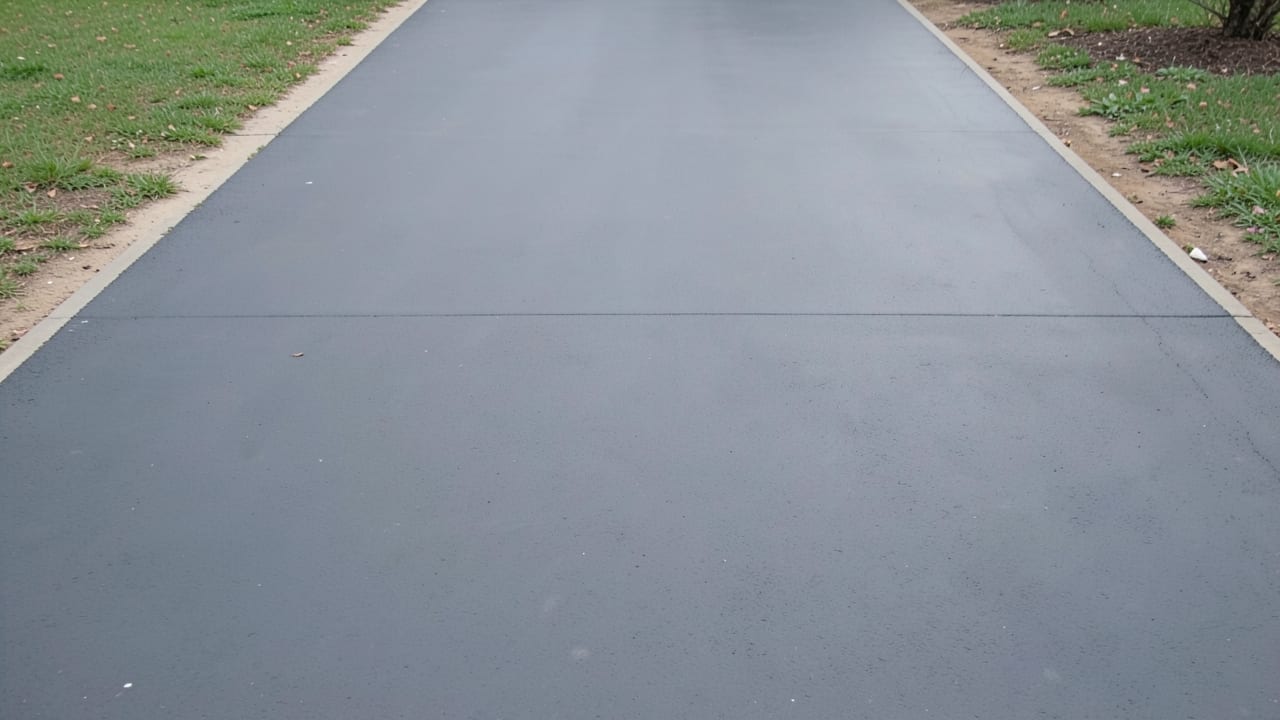
Oil Stain Removal in University, FL
Oil Stain Removal for University, FL properties — University is a nearby community roughly 12.7 miles northwest of Brandon..
Learn More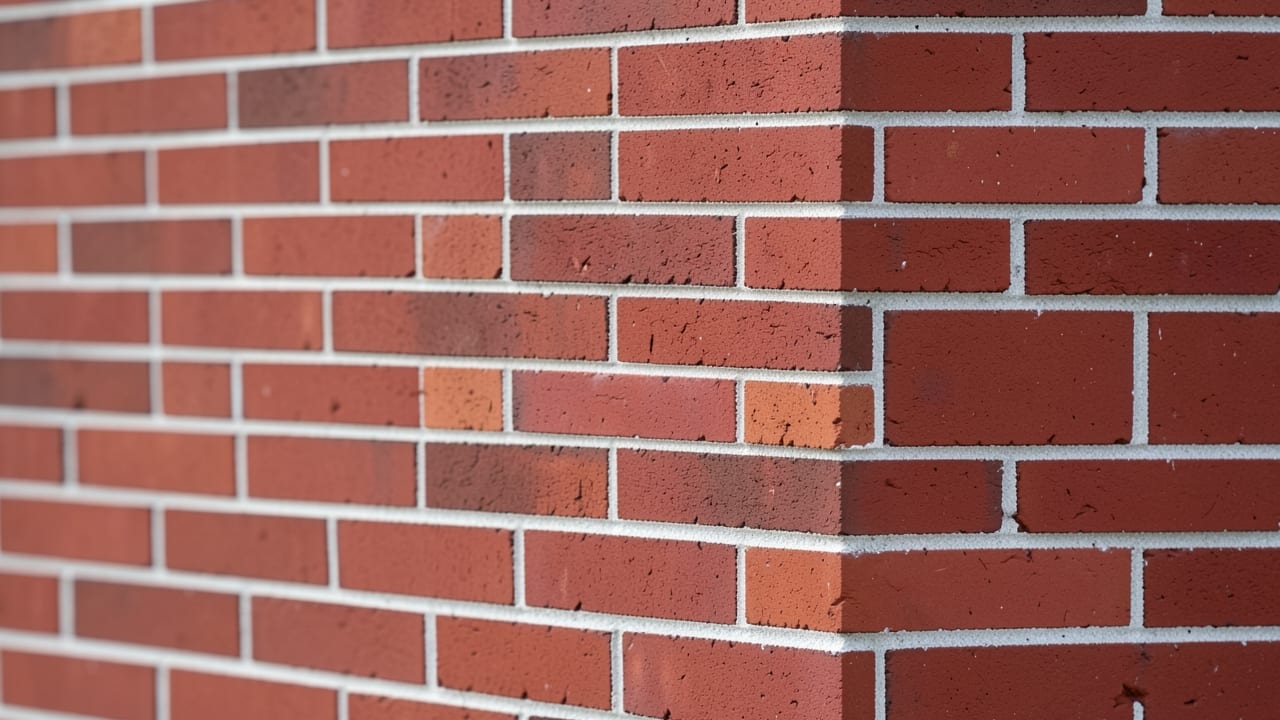
Brick Cleaning in University, FL
Brick Cleaning for University, FL properties — University is a nearby community roughly 12.7 miles northwest of Brandon..
Learn More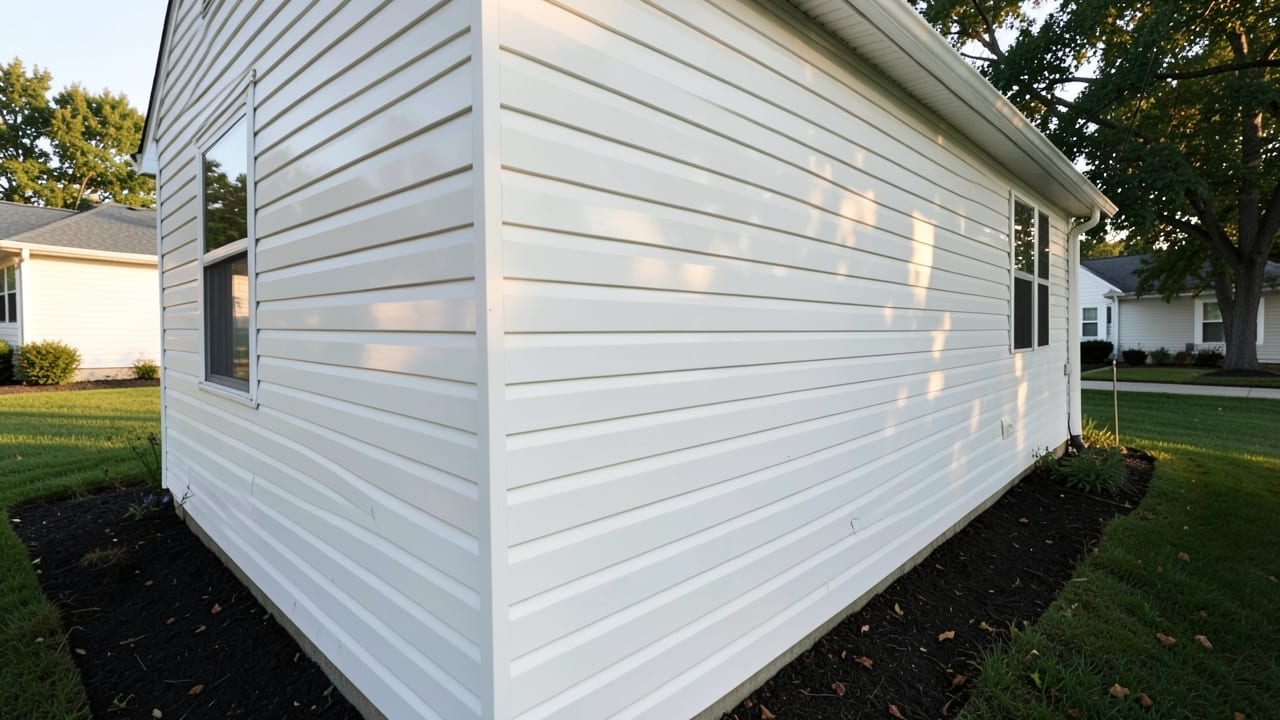
Vinyl Siding Cleaning in University, FL
Vinyl Siding Cleaning for University, FL properties — University is a nearby community roughly 12.7 miles northwest of Brandon..
Learn More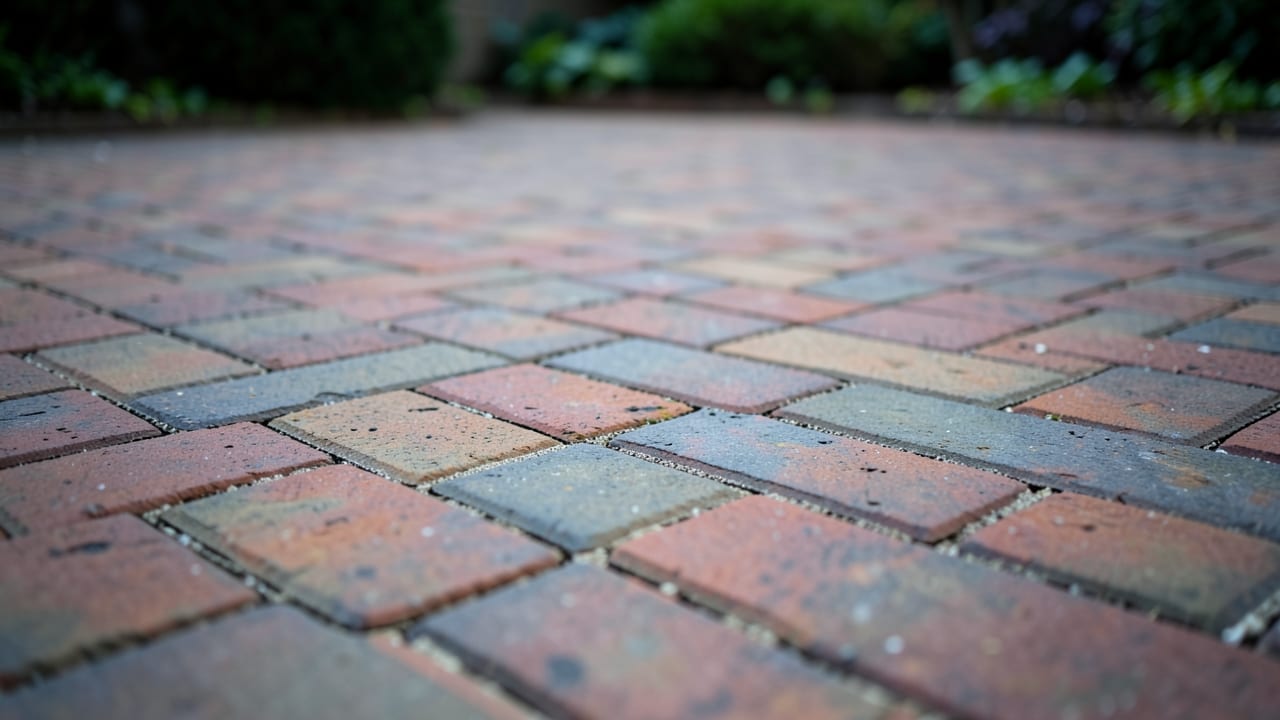
Patio Cleaning in University, FL
Patio Cleaning for University, FL properties — University is a nearby community roughly 12.7 miles northwest of Brandon..
Learn MoreParking Lot Cleaning in University, FL
Parking Lot Cleaning for University, FL properties — University is a nearby community roughly 12.7 miles northwest of Brandon..
Learn MoreStorefront Cleaning in University, FL
Storefront Cleaning for University, FL properties — University is a nearby community roughly 12.7 miles northwest of Brandon..
Learn MoreThe same service is also covered in Wimauma, FL , on the same terms.
Common Questions About Pressure Washing in University, FL
Everything you need to know about pressure washing services in University, FL
How much does Paver Sealing typically cost in University, FL?
Why does algae and mildew growth on homes in University, FL come back so quickly?
Is renting a pressure washer and doing the job at home a reasonable option?
How long does washing a typical house exterior take?
Can pressure washing damage concrete, pavers, or mortar joints?
Need Pressure Washing in University, FL?
Get a written quote from our University, FL crew.
⏰ We answer your call • Serving all of University, FL and surrounding areas