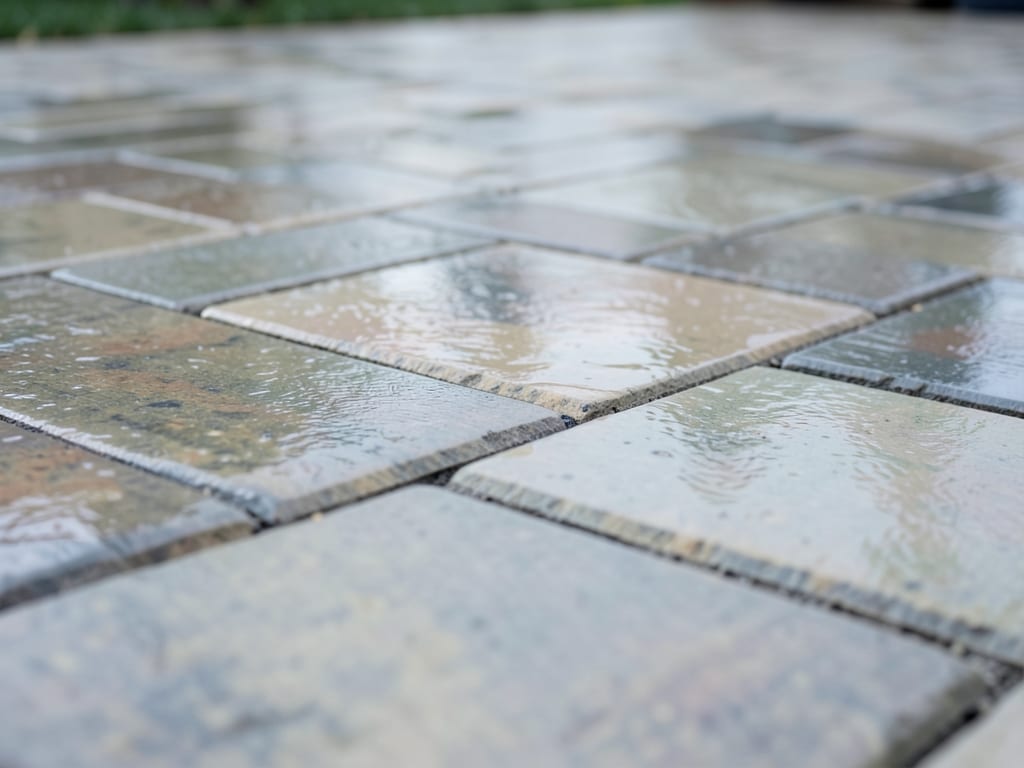
Paver Sealing
Paver sealing in Brandon, FL — a protective, wet-look finish applied after cleaning to lock in color and block stains.
In Brandon, FL’s humid climate, paver sealing protects your patio or driveway from oil stains, sun fading, and sand washout. Unlike cleaning alone, sealing creates a barrier that keeps pavers looking new and reduces maintenance long-term.
Why Seal Your Pavers in Brandon?
Cleaning pavers removes dirt, algae, and weeds, but without sealing, they’ll reabsorb stains and growth within a season or two. Sealing is the critical next step to lock out moisture, UV rays, and debris.
We also handle New Construction Final Clean and Hard Water Stain Removal for Brandon properties.
Brandon’s warm, wet weather accelerates paver deterioration. A sealed surface resists oil drips from grills or cars, prevents joint sand from washing away, and makes future cleaning faster since dirt sits on top of the sealant instead of soaking in.
Signs Your Pavers Need Sealing
- Joint sand is eroding or washing out after rain
- Pavers darken when wet but lighten when dry (indicating porosity)
- Oil or grease stains are absorbing into the surface
- Weeds or moss are growing between pavers despite cleaning
Choosing the Right Sealant Finish
Sealants offer different aesthetic finishes, from natural low-sheen to glossy wet-look, but all provide the same level of protection. The choice depends on your preference for appearance.
A natural finish enhances the paver’s color without shine, while a wet-look finish deepens the color and adds a subtle gloss. Semi-gloss options fall in between, offering a balance of richness and subtle sheen.
| Finish Type | Appearance | Best For |
|---|---|---|
| Natural | Matte, original color | Traditional or rustic patios |
| Semi-Gloss | Subtle shine, richer color | Driveways or pool decks |
| Wet-Look | Glossy, deep color | Modern or decorative pavers |
How Paver Sealing Works
Sealing pavers is always performed after a thorough cleaning to ensure proper bonding.
- 1Deep Cleaning
The pavers are pressure washed to remove dirt, algae, and stains, ensuring a clean surface for the sealant to adhere to.
- 2Drying Period
Pavers must be fully dry before sealing, which can take 24-48 hours depending on weather conditions.
- 3Joint Sand Replenishment
If needed, fresh joint sand is added and compacted to stabilize the pavers before sealing.
- 4Sealant Application
A high-quality sealant is evenly applied using a sprayer or roller, with a second coat often added for maximum protection.
Frequently Asked Questions
How long does paver sealing last in Brandon’s climate?
Sealant typically lasts 2-3 years in Brandon, depending on foot traffic, weather exposure, and the type of sealant used. Reapplication is recommended to maintain protection.
Can I seal my pavers myself?
While DIY kits exist, proper sealing requires specialized equipment, the right sealant, and experience to avoid uneven application or premature failure. Professionals ensure a lasting finish.
Will sealing make my pavers slippery?
Most modern sealants are non-slip, but a glossy finish can become slick when wet. A natural or semi-gloss finish is less likely to create slip hazards.
How much does paver sealing cost in Brandon?
Pricing depends on square footage, paver condition, and the type of sealant. Call for a quote—we’ll assess your space and provide a transparent estimate.
See FishHawk, FL for more, or check out what we cover for Brandon properties in detail for our complete lineup.
Ready to get started?
Talk to a local pressure washing pro in Brandon — get a written quote.
Other Pressure Washing Services in Brandon
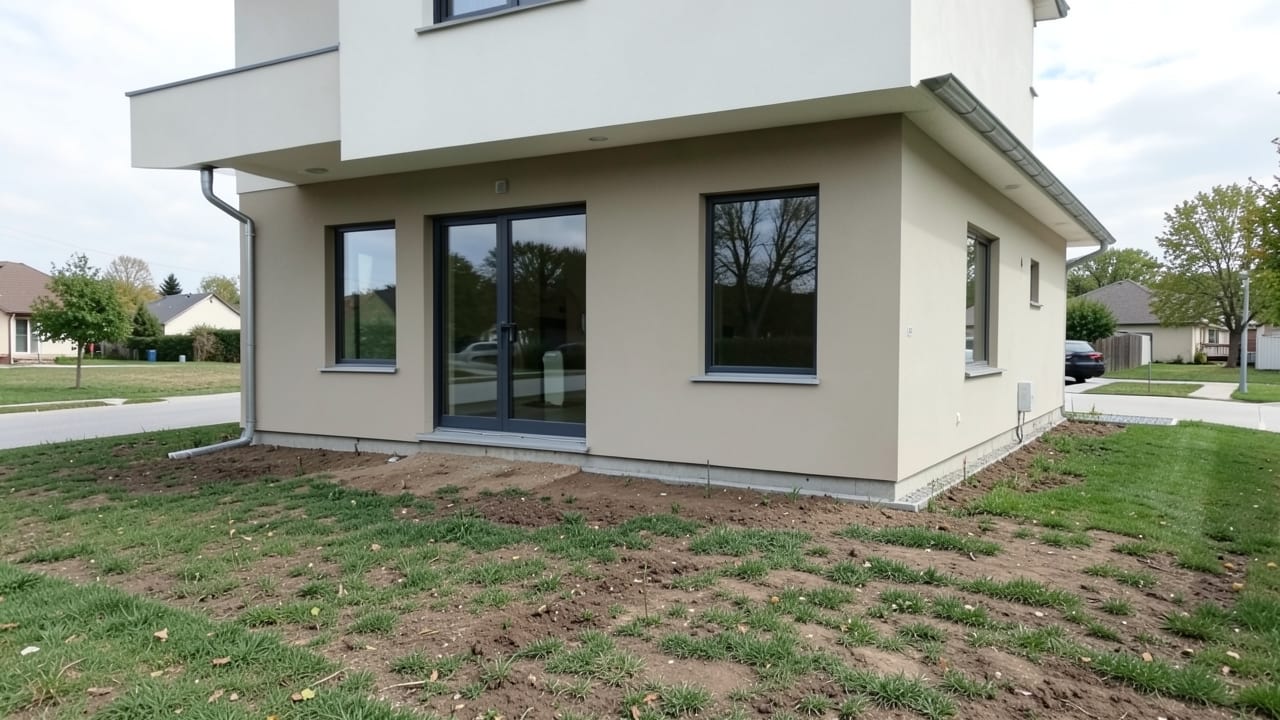
New Construction Final Clean in Brandon, FL
Thorough post-construction cleanup using pressure washing to remove debris, dust, and residue from new builds.
Learn More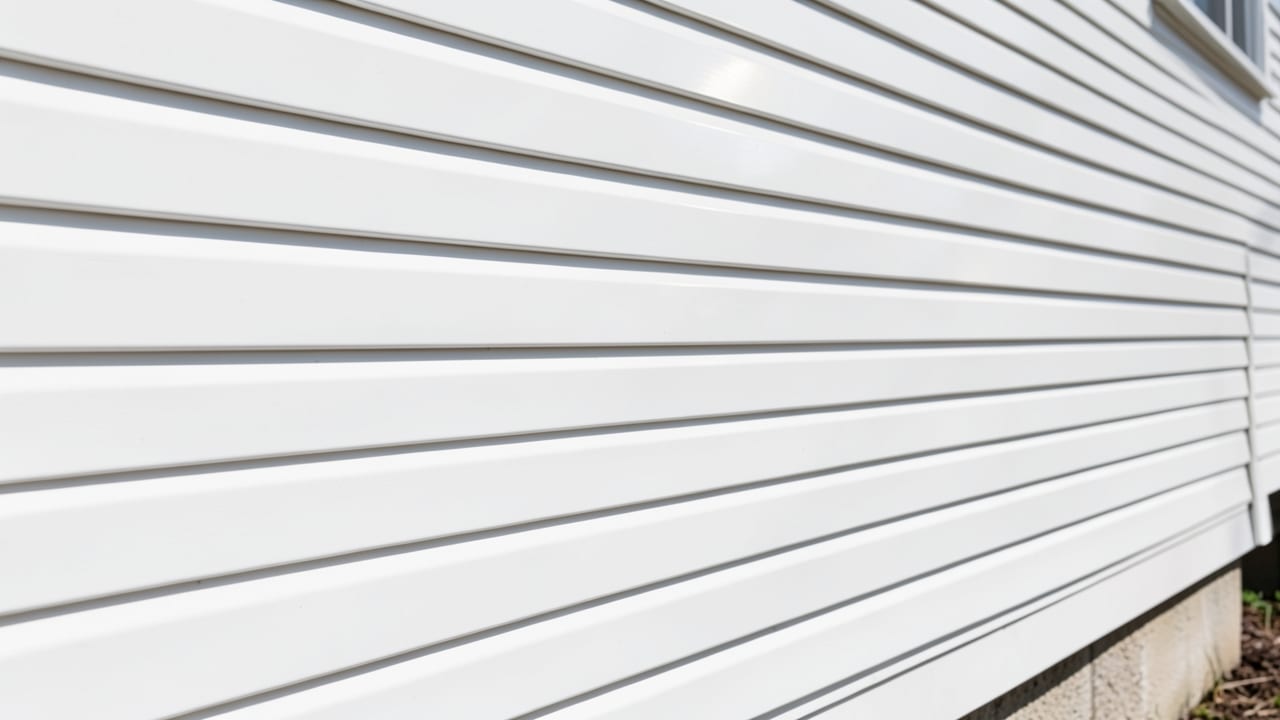
Hard Water Stain Removal in Brandon, FL
Pressure washing to remove hard water stains from exterior surfaces.
Learn More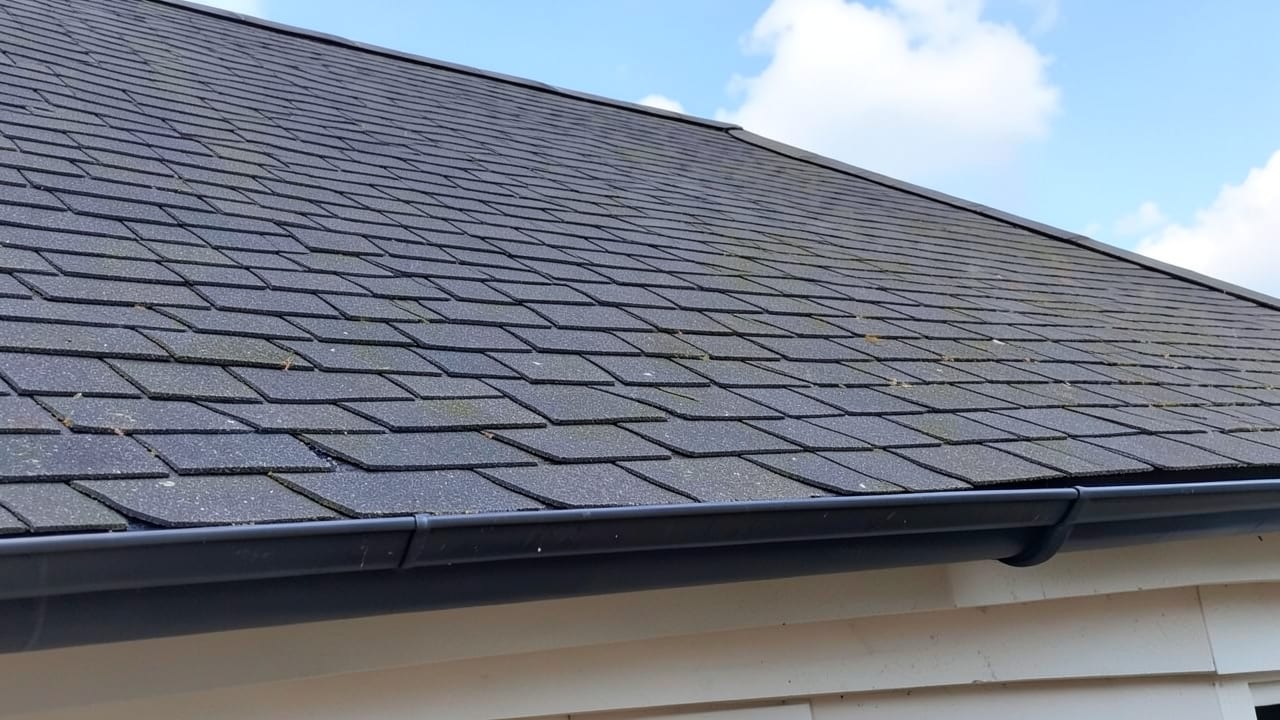
Algae Treatment in Brandon, FL
Professional pressure washing to remove algae from exterior surfaces like roofs, siding, and driveways.
Learn More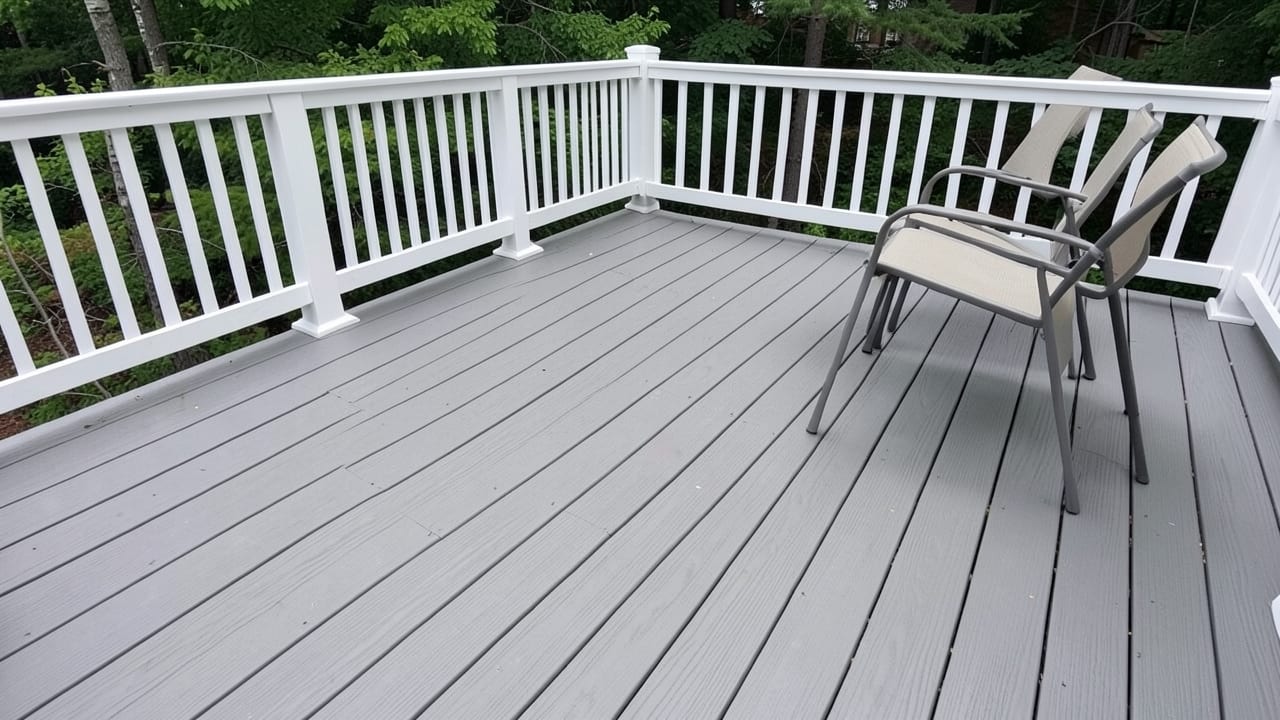
Spring Pollen Removal in Brandon, FL
High-pressure washing to remove pollen buildup from exterior surfaces.
Learn More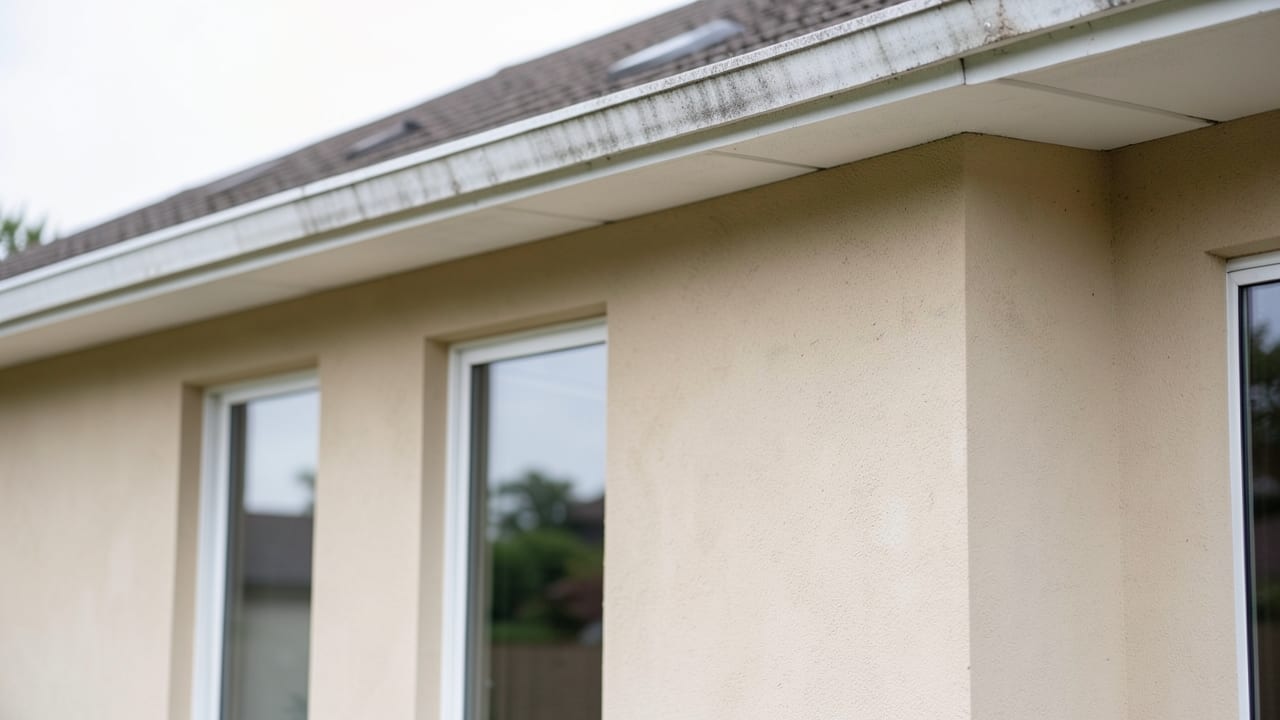
Pre-Sale Exterior Refresh in Brandon, FL
High-pressure cleaning of home exteriors, driveways, decks, and walkways to remove dirt, grime, and stains.
Learn More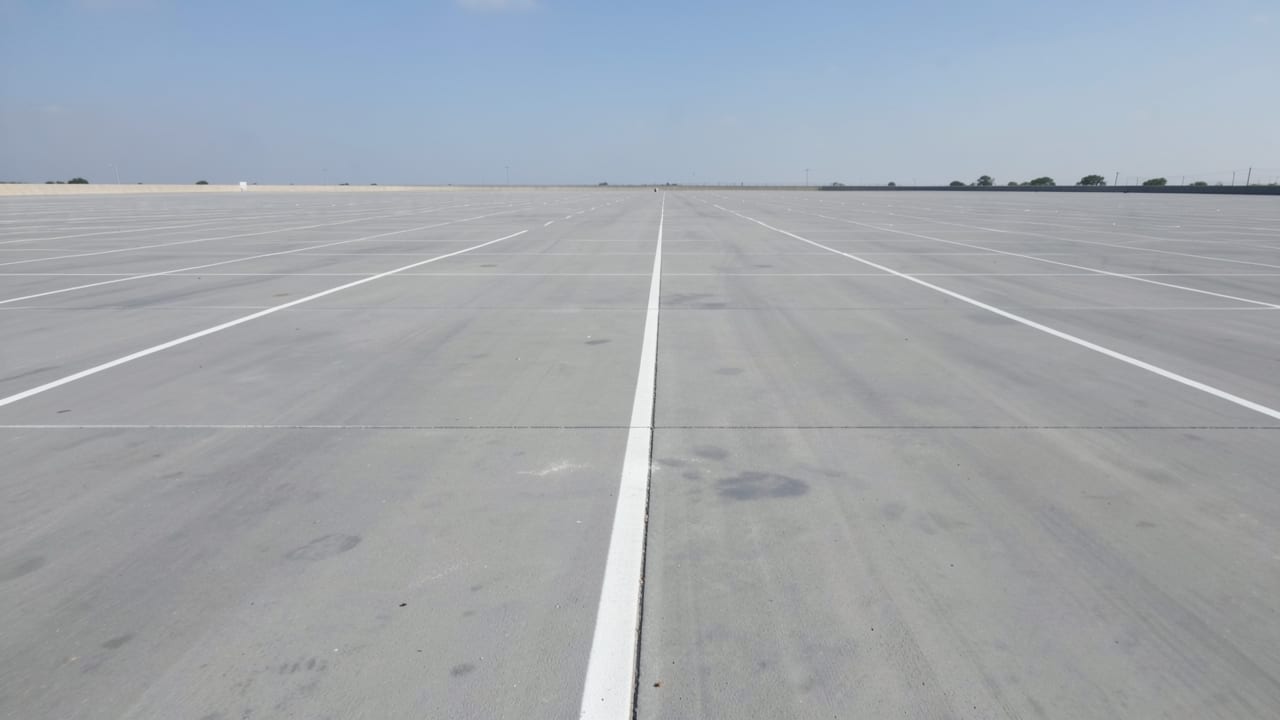
Post-Storm Debris Cleanup in Brandon, FL
Removal of storm debris from properties using pressure washing equipment.
Learn MoreCommon Questions About Pressure Washing in Brandon
Everything you need to know about pressure washing services in Brandon
How much does Paver Sealing typically cost in Brandon, FL?
Why does algae and mildew growth on homes in Brandon, FL come back so quickly?
Can pressure washing damage concrete, pavers, or mortar joints?
What are the actual named steps in a professional pressure washing job?
Can the wrong PSI actually damage a house or driveway?
What's the actual difference between pressure washing and soft washing?
Need Pressure Washing in Brandon?
Get a written quote from our Brandon crew.
⏰ We answer your call • Serving all of Brandon and surrounding areas