Why Pressure Washing Is Essential Before Sealing Concrete in Brandon
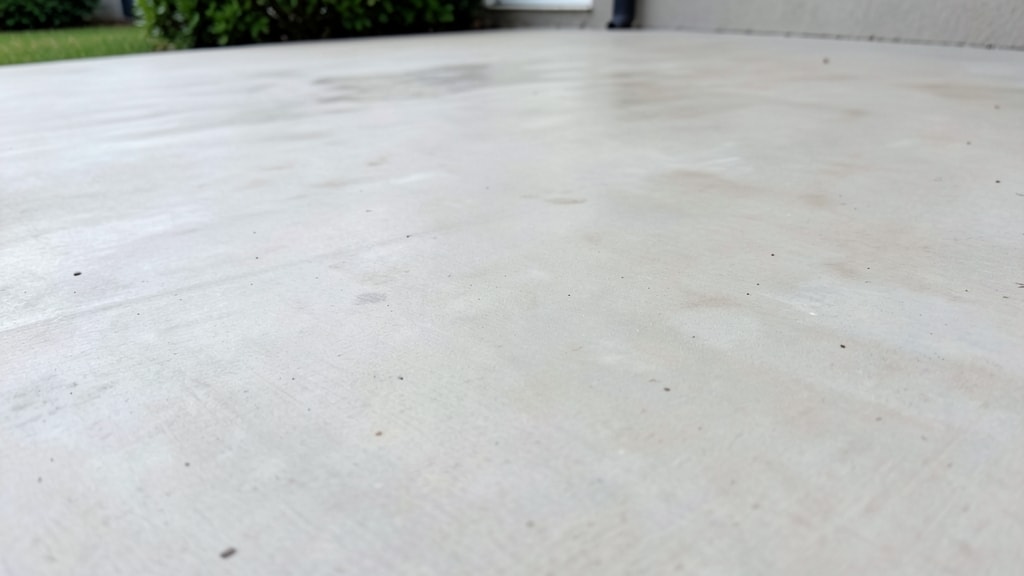
Sealing concrete without proper prep is like painting over dirt—it won’t stick, and it won’t last. In our humid Florida climate, pressure washing removes the contaminants that sabotage sealant adhesion, ensuring your investment holds up against rain, UV, and daily wear.
Concrete Sealing Fails Without Proper Cleaning
Sealants bond to clean, porous surfaces. Dirt, oil, and organic growth create a barrier, causing premature peeling or bubbling. Even new concrete can have curing compounds or efflorescence that must be removed.
Brandon’s frequent rain and high humidity accelerate mold, mildew, and algae growth on driveways, patios, and sidewalks. These contaminants aren’t just unsightly—they degrade sealants faster.
Applying sealant over dirty concrete may void coverage and shorten lifespan. Always clean first, even if the surface ‘looks fine.’
How Pressure Washing Preps Concrete for Sealing
High-pressure water (2,500–4,000 PSI) blasts away embedded grime, oil stains, and old sealant residue. For delicate surfaces or softer concrete, we adjust PSI to avoid etching.
Hot water pressure washing lifts oil and grease more effectively than cold water, critical for driveways in Valrico or Riverview where vehicle leaks are common.
A degreaser or concrete cleaner applied before rinsing breaks down stubborn stains. This step is non-negotiable for gas stations, restaurants, or commercial properties in Bloomingdale.
Soft Wash vs. Pressure Wash for Concrete Prep
Soft washing (low PSI, specialized detergents) is ideal for removing organic stains like algae or lichen without damaging concrete. It’s often used alongside pressure washing for a thorough clean.
Pressure washing alone can’t kill spores or prevent regrowth. Soft wash solutions with algaecides or fungicides ensure a deeper, longer-lasting clean before sealing.
| Method | Best For | Limitations |
|---|---|---|
| Soft Wash | Organic stains (mold, algae, lichen), delicate surfaces | Less effective on heavy oil or embedded dirt |
| Pressure Wash | Deep cleaning, oil stains, old sealant removal | Can etch concrete if PSI is too high |
| Combination | Most residential and commercial prep in Brandon | Requires professional calibration |
Brandon’s Climate Demands Extra Attention
Our warm, wet seasons mean concrete dries slower after cleaning. We schedule sealing only after surfaces are fully dry—usually 24–48 hours post-wash in typical Brandon weather.
UV exposure fades and cracks unsealed concrete. Pressure washing removes the oxidized layer, allowing sealants to penetrate deeply and resist Florida’s intense sun.
Common Concrete Contaminants in Local Properties
Efflorescence—a white, chalky residue from water soluble salts—is rampant in Brandon due to our mineral-rich groundwater. It must be removed before sealing or it will reappear under the sealant.
Oil and grease stains from cars or grills are common in driveways and patio areas. These require hot water pressure washing and degreasers for complete removal.
Mold and mildew thrive in shaded areas, like under decks in Seffner or along fence lines. Soft washing kills spores, preventing them from growing back under the sealant.
DIY vs. Professional Pressure Washing for Sealing Prep
Renting a pressure washer might seem cost-effective, but improper PSI or technique can damage concrete, leaving it uneven or more porous. Professionals calibrate equipment for the surface type.
We use commercial-grade cleaners and hot water systems to tackle stains that consumer units can’t. Plus, we know the local nuances—like how Brandon’s clay soil can leave stubborn residues.
If you attempt DIY cleaning, always test a small area first. Use a 25-degree nozzle and keep the wand moving to avoid etching.
What to Expect During Professional Concrete Prep
First, we inspect the concrete for cracks, spalling, or existing sealant. Repairs are made before cleaning to ensure a smooth, uniform surface.
Next, we pre-treat stains with specialized cleaners. Then, we pressure wash using the right PSI and technique, followed by a soft wash if organic growth is present.
Finally, we ensure the surface is completely dry before sealing. This step is critical—moisture trapped under sealant causes bubbles and peeling.
Concrete Sealing Prep Checklist
- Inspect for damage and repair as needed
- Pre-treat stains with degreaser or concrete cleaner
- Pressure wash with appropriate PSI (2,500–4,000 PSI typical)
- Soft wash for organic stains (mold, algae, lichen)
- Allow 24–48 hours for surface to dry completely
- Verify dryness before applying sealant
Beyond Driveways: Other Surfaces That Need Prep
Concrete isn’t the only surface that benefits from pressure washing before sealing. Brick pavers in Palm River-Clair Mel, stucco homes in Bloomingdale, and wood decks in Valrico all require thorough cleaning for sealant adhesion.
For commercial properties, pressure washing removes graffiti, gum, and heavy grime from sidewalks and parking lots, ensuring sealants or coatings bond properly.
How to Pressure Wash Concrete Before Sealing
Follow these steps to ensure your concrete is properly prepped for sealing.
- 1Clear the Area
Remove all furniture, vehicles, and debris from the concrete surface. Cover nearby plants or landscaping to protect them from cleaners.
- 2Pre-Treat Stains
Apply a concrete cleaner or degreaser to oil, grease, or organic stains. Let it dwell for 10–15 minutes to break down contaminants.
- 3Pressure Wash
Use a pressure washer with a 25-degree nozzle at 2,500–4,000 PSI. Work in sections, keeping the wand 12–18 inches from the surface to avoid damage.
- 4Soft Wash (If Needed)
For mold, mildew, or algae, apply a soft wash solution with a pump sprayer. Rinse thoroughly after 10–15 minutes.
- 5Inspect and Dry
Check for missed spots or stubborn stains. Allow the concrete to dry completely (24–48 hours) before applying sealant.
Frequently Asked Questions
How often should concrete be pressure washed before resealing in Brandon?
Concrete should be pressure washed before every sealant application—typically every 2–3 years. In high-traffic or shaded areas, annual cleaning may be needed to prevent buildup.
Can I pressure wash concrete myself, or should I hire a pro?
DIY pressure washing is possible for small, simple jobs, but professionals have the equipment and expertise to handle tough stains, large areas, and delicate surfaces without causing damage.
When is a good time of year to pressure wash and seal concrete in Florida?
Late spring or early fall is ideal—temperatures are moderate, and rain is less frequent. Avoid sealing in summer’s extreme heat or during the rainy season, as moisture can interfere with adhesion.
Will pressure washing remove all stains from my concrete?
Pressure washing removes most dirt, grime, and organic stains, but some deep or old oil stains may require additional treatments like poultices or professional-grade degreasers.
Do you offer pressure washing for concrete sealing prep in Valrico or Riverview?
Yes, we serve Brandon and the surrounding areas, including Valrico, Riverview, Seffner, Bloomingdale, and Palm River-Clair Mel. Request a quote for your project.
How do I know if my concrete needs sealing after pressure washing?
If water beads on the surface, your sealant is still active. If water soaks in quickly, it’s time to reseal. Pressure washing reveals the true condition of your concrete, making it easier to assess.