How Often Should You Pressure Wash Your Driveway in Brandon?
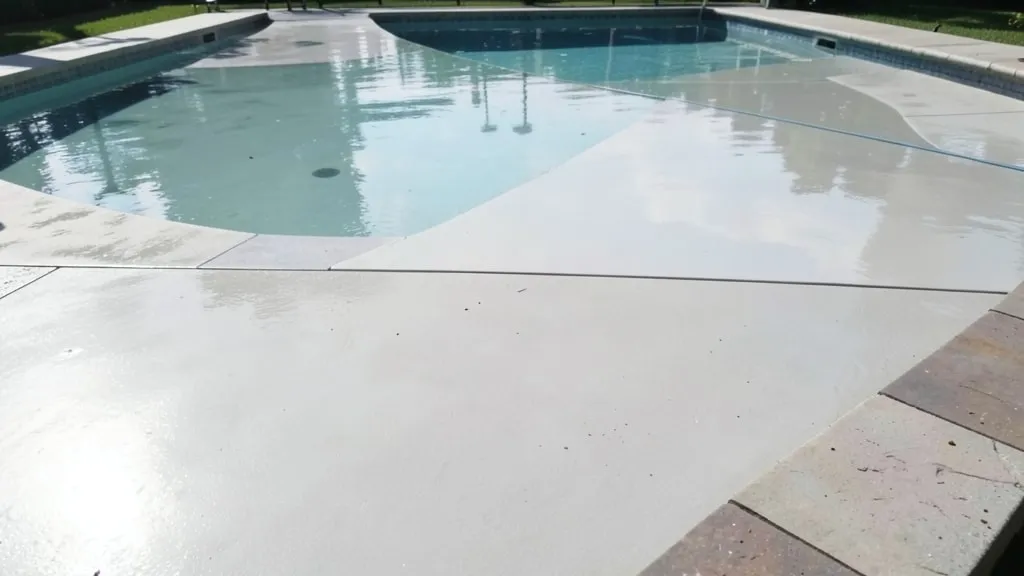
A clean driveway boosts curb appeal and prevents long-term damage, but overdoing it can wear down surfaces. In our Florida climate, humidity and pollen mean driveways in Brandon and nearby areas like Valrico or Bloomingdale need more frequent attention than drier regions. The right schedule balances protection and preservation.
Why Driveway Cleaning Frequency Matters in Florida
Florida’s heat, humidity, and frequent rain create the perfect storm for mold, mildew, and algae growth on concrete and asphalt. These contaminants don’t just look bad—they degrade surfaces over time, leading to cracks and pitting.
Pollen from oak and pine trees in Brandon can also stain driveways, especially after spring storms. Regular cleaning removes these abrasive particles before they embed into the surface, extending your driveway’s lifespan.
Signs Your Driveway Needs Pressure Washing Now
Dark streaks or greenish-black discoloration signal mold or algae. These organisms thrive in shaded areas or where moisture lingers, common in neighborhoods like Palm River-Clair Mel with mature trees.
Oil stains, rust spots, or a dull, chalky film (efflorescence on concrete) are red flags. If water no longer beads but soaks in immediately, it’s past time for a deep clean—and possibly a fresh sealant.
When to Schedule a Wash
- Visible mold, mildew, or algae growth
- Pollen or organic debris buildup
- Oil, grease, or rust stains
- Fading or dull appearance
- Efflorescence (white mineral deposits) on concrete
The Ideal Pressure Washing Schedule for Brandon Driveways
For most homes in Brandon, we recommend pressure washing driveways every **12 to 18 months** as a baseline. However, high-traffic driveways or those under heavy tree cover may need it **every 6–12 months** to prevent staining and damage.
Asphalt driveways often require more frequent cleaning than concrete because they’re more porous and prone to oil absorption. In areas like Riverview, where dust and clay soil are common, you might need to adjust the schedule.
| Driveway Material | Low-Traffic / Full Sun | High-Traffic / Shaded | Heavy Tree Cover |
|---|---|---|---|
| Concrete | 18–24 months | 12–18 months | 6–12 months |
| Asphalt | 12–18 months | 12 months | 6–12 months |
| Paver | 12–18 months | 12 months | 6–12 months |
Factors That Shorten (or Extend) Your Cleaning Timeline
Proximity to trees or bushes increases organic debris, requiring more frequent cleaning. In Seffner, for example, live oaks drop leaves and sap year-round, accelerating buildup.
Sealed driveways resist stains better, so they can often go longer between washes. Conversely, unsealed concrete absorbs oil and water, shortening the interval. Climate plays a role too—longer wet seasons mean faster regrowth of mold and algae.
Heavy vehicle traffic, especially from boats or RVs common in Brandon, introduces more oil and grime. If you park vehicles that leak fluids, spot-clean stains immediately to avoid permanent damage.
The Risks of Over-Pressure Washing (Yes, It’s a Thing)
Using excessive PSI or the wrong nozzle can etch concrete or strip asphalt of its protective oils. This leads to premature cracking and a rough, pitted surface that holds dirt more easily.
Even soft wash systems require proper technique. Over-application of detergents can leave residue that attracts more grime, while under-rinsing can cause streaking. That’s why we always match pressure and cleaning agents to the surface.
Consumer-grade pressure washers often exceed safe PSI for driveways (typically 2,500–3,000 PSI max for concrete). Improper use can harm newer driveways or damage decorative finishes.
How Seasonal Changes in Brandon Affect Your Driveway
Spring brings pollen from sabal palms and pine trees, coating driveways in a yellow-green film. A post-pollen wash in April or May prevents staining before summer rains hit.
Summer’s intense UV rays can bleach driveways, while afternoon thunderstorms wash in new dirt. A mid-summer clean helps maintain appearance and prevents heat-induced cracking from trapped moisture.
Fall’s leaf litter and winter’s cooler, damp conditions slow evaporation, giving mold and mildew a foothold. A late-fall wash prepares your driveway for the milder Brandon winter.
Driveway Cleaning vs. Other Exterior Surfaces
Unlike house washing or roof soft washing, driveways endure direct vehicle traffic and chemical exposure. This means they often need more aggressive cleaning agents, like degreasers for oil stains or efflorescence removers for concrete.
Nearby surfaces like decks in Valrico or fences in Bloomingdale may share similar contaminants but require gentler pressure to avoid damaging wood or composite materials. Always tailor the approach to the material.
If you’re cleaning your driveway, consider bundling with gutter cleaning or window washing. This maximizes your investment and ensures a uniformly clean exterior.
How to Maintain Your Driveway Between Professional Washes
A few simple habits can extend the time between deep cleans.
- 1Spot-Clean Stains Immediately
Use a degreaser for oil or a mild detergent for organic stains. Blot—don’t scrub—to avoid spreading the stain.
- 2Sweep Regularly
Remove leaves, dirt, and debris weekly to prevent buildup. This is especially critical in shaded areas or under trees.
- 3Rinse After Storms
Florida’s frequent rain can deposit pollen, dust, and minerals. A quick rinse with a garden hose prevents these from settling.
- 4Reseal As Needed
Concrete driveways should be sealed every 2–3 years; asphalt every 1–2 years. Sealant acts as a barrier against stains and moisture.
- 5Trim Nearby Foliage
Prune trees and bushes to reduce shade and debris. More sunlight slows mold and mildew growth, reducing cleaning frequency.
Frequently Asked Questions
Can I pressure wash my driveway myself?
While DIY is possible, most homeowners lack the commercial-grade equipment and expertise to avoid damage. Improper PSI or detergents can etch concrete or strip asphalt. For best results—and to protect your investment—we recommend hiring a professional.
Does pressure washing remove oil stains from my Brandon driveway?
Standard pressure washing alone often won’t remove set-in oil stains. We use specialized degreasers and hot water systems to break down hydrocarbons before washing. For stubborn stains, a pre-treatment may be required.
How soon after pressure washing can I seal my driveway?
Wait at least 24–48 hours for the surface to fully dry. In Brandon’s humid climate, it may take longer—up to 72 hours in shaded areas. Sealing too soon traps moisture, leading to peeling or bubbling.
Will pressure washing damage my paver driveway?
Not if done correctly. Pavers require lower PSI (around 1,500–2,000) and a wide-angle nozzle to avoid displacing sand or damaging the joints. We also use a surface cleaner attachment for even results.
Why do driveways in Brandon get dirty faster than in other areas?
Our subtropical climate combines high humidity, frequent rain, and abundant pollen—ideal conditions for mold, mildew, and organic stains. Additionally, Florida’s sandy soil and dust from nearby construction (common in growing areas like Riverview) contribute to faster buildup.
Is soft washing better for my driveway than pressure washing?
Soft washing is ideal for delicate surfaces like roofs or siding, but driveways typically need the mechanical action of pressure washing to remove embedded dirt and stains. However, we often use a hybrid approach—soft wash for pre-treatment, followed by pressure washing for stubborn areas.