EPA-Compliant Pressure Washing: What Brandon Businesses Need to Know
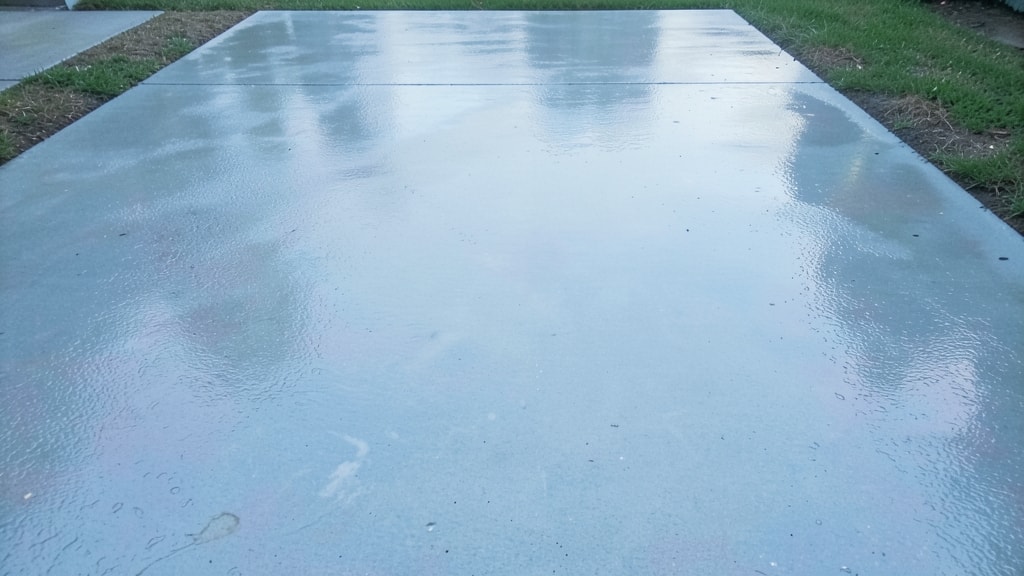
Brandon’s commercial properties face unique pressure washing challenges due to our flat terrain and frequent storms, which can carry contaminants straight into storm drains. EPA compliance isn’t just good practice—it’s the law for businesses, and violations can shut down operations fast. We’ll break down what local owners must follow to stay safe and sustainable.
Why EPA Compliance Matters for Pressure Washing in Commercial Settings
The Clean Water Act regulates what enters our waterways, and pressure washing waste—oil, grease, detergents, or heavy metals—can violate it if not managed properly. In Brandon, where stormwater flows directly into Tampa Bay, the stakes are even higher.
Businesses in Valrico or Riverview face the same rules: improper runoff can lead to fines, legal action, or mandatory cleanup costs. Compliance protects your bottom line and the local ecosystem.
Key EPA Regulations for Pressure Washing Businesses
The EPA’s **NPDES (National Pollutant Discharge Elimination System)** permit program is the backbone of compliance. If your washing produces runoff that enters storm drains or water bodies, you likely need coverage under a general or individual permit.
Florida’s **FDEP (Florida Department of Environmental Protection)** enforces these rules locally. For most commercial pressure washing, a **Generic Permit for Stormwater Discharges** applies, but high-risk activities (e.g., industrial degreasing) may require additional steps.
Operating without the correct NPDES permit can result in daily fines. Always verify your coverage before starting large-scale projects in Brandon or neighboring areas like Bloomingdale.
Containment and Collection: The Non-Negotiables
Containment is your first line of defense. Use **berms, tarps, or portable containment systems** to capture wastewater at the source. For driveways or parking lots in Seffner, a **vacuum recovery system** may be required to collect all runoff.
Never rely on absorption alone—sand, gravel, or grass won’t stop contaminants from leaching into the soil. Proper disposal of collected wastewater is just as critical as capturing it.
| Method | Best For | Limitations |
|---|---|---|
| Berms and Dikes | Flat surfaces like parking lots | Not ideal for sloped areas |
| Portable Containment Pads | Small jobs (e.g., dumpster pads) | Limited capacity for large volumes |
| Vacuum Recovery Systems | Industrial or high-flow areas | Requires trained operators |
| Absorbent Booms | Oil/grease spills | Not for full wastewater capture |
Choosing EPA-Approved Cleaning Solutions
Not all detergents are created equal. The EPA requires **biodegradable, pH-neutral cleaners** for most commercial applications. Avoid products with phosphates, heavy metals, or nonylphenol ethoxylates (NPEs), which are banned in many jurisdictions.
For **roof washing** or **house washing** in Brandon, soft wash systems with eco-friendly solutions are ideal. These break down organically without harming plants or wildlife in Palm River-Clair Mel’s sensitive areas.
Always pre-test cleaners on a small area. Even EPA-approved products can damage surfaces if misapplied.
Wastewater Disposal: Where It Goes Matters
Collected wastewater can’t just be dumped down the drain. In Brandon, you’ll need to dispose of it at an **approved treatment facility** or use a **sanitary sewer connection** (with local utility permission).
For businesses in Riverview or Valrico, check with Hillsborough County’s **Environmental Management Division** for designated disposal sites. Never discharge into storm drains—this is a direct violation of the Clean Water Act.
Training and Documentation: Your Compliance Safety Net
EPA compliance isn’t just about equipment—it’s about **training**. Your team must understand containment setup, detergent selection, and emergency spill response. Keep records of training sessions, permits, and disposal receipts.
Documentation is your proof of compliance. In case of an inspection, logs of detergent use, wastewater volume, and disposal methods can save your business from penalties.
Compliance Documentation Checklist
- NPDES permit (or proof of coverage)
- Training records for all operators
- Wastewater disposal receipts
- Detergent Safety Data Sheets (SDS)
- Containment setup photos for each job
Common Violations and How to Avoid Them
The most frequent EPA violations in pressure washing include **unpermitted discharges**, **improper containment**, and **using banned chemicals**. Even a single incident can trigger an investigation.
In Brandon, businesses often overlook **dry weather requirements**. Pressure washing during or after rain can cause uncontrolled runoff. Always check the forecast and plan jobs for dry periods.
Florida’s wet season (June–October) increases runoff risks. Schedule high-pressure jobs for dry spells to avoid compliance issues.
Local Resources for Brandon Businesses
Hillsborough County’s **Environmental Management Division** offers guidance on stormwater permits and best practices. They also provide free **pollution prevention workshops** for businesses.
For **commercial pressure washing** in Seffner or Bloomingdale, partner with local waste management companies familiar with EPA standards. They can handle disposal and provide compliance support.
How to Set Up an EPA-Compliant Pressure Washing Job
Follow these steps to ensure your next commercial job meets EPA standards.
- 1Assess the Site
Identify potential runoff paths and sensitive areas (e.g., storm drains, water bodies). Note the surface type (concrete, asphalt, etc.) and any visible contaminants.
- 2Choose Containment Tools
Select berms, pads, or vacuum systems based on the job size and location. For sloped surfaces, use a combination of methods to prevent escape.
- 3Select EPA-Approved Cleaners
Use pH-neutral, biodegradable detergents. For **roof washing** or **deck cleaning**, opt for soft wash solutions to avoid damage and runoff issues.
- 4Set Up Containment
Deploy your chosen containment system before starting. Test for leaks or gaps that could allow runoff to escape.
- 5Collect and Dispose of Wastewater
Use a vacuum or pump to transfer wastewater to a holding tank. Dispose of it at an approved facility or via a sanitary sewer connection.
- 6Document Everything
Record detergent types, wastewater volume, disposal method, and any incidents. Store this with your NPDES permit for compliance proof.
Frequently Asked Questions
Do I need an NPDES permit for pressure washing my Brandon business’s parking lot?
Yes, if your runoff enters storm drains or water bodies. Most commercial pressure washing in Brandon requires coverage under Florida’s Generic Permit for Stormwater Discharges. Request a quote to include permit assistance.
Can I use bleach for pressure washing in Riverview?
Bleach is not EPA-approved for most commercial applications due to its toxicity to aquatic life. Use pH-neutral, biodegradable cleaners instead. For **roof washing**, soft wash systems with eco-friendly solutions are the safest choice.
What’s the penalty for improper wastewater disposal in Seffner?
Penalties vary but can include fines, mandatory cleanup costs, or legal action. The EPA and FDEP take violations seriously, especially in areas near water bodies like the Alafia River. Compliance is far cheaper than the consequences.
How do I dispose of pressure washing wastewater in Valrico?
Collected wastewater must go to an approved treatment facility or a sanitary sewer connection (with permission). Never dump it into storm drains or onto the ground. Local waste management companies can assist with proper disposal.
Are there any exceptions for small businesses in Brandon?
No. Even small businesses must comply with EPA regulations if their pressure washing produces runoff. However, the permit process may be simpler for low-risk activities. Always verify your requirements with the FDEP.
Can I pressure wash during the rainy season in Bloomingdale?
It’s risky. Rain can cause uncontrolled runoff, increasing the chance of violations. Schedule jobs for dry periods and use extra containment measures if rain is in the forecast.