Why Hot Water Pressure Washing Tackles Brandon’s Toughest Grime Better
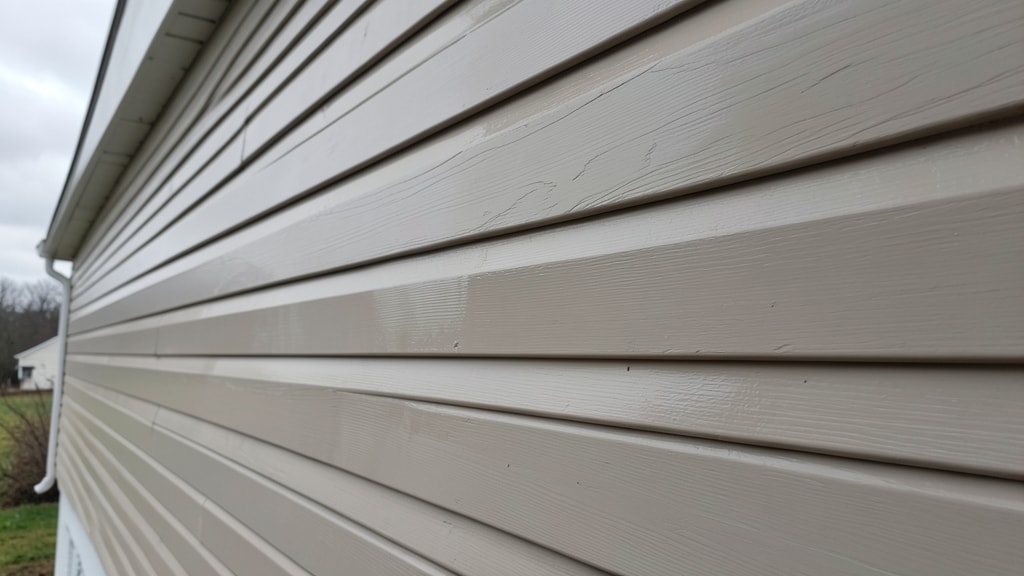
Brandon’s humidity and frequent rain create the perfect breeding ground for stubborn grime, oil, and biological growth. Hot water pressure washing doesn’t just blast dirt away—it dissolves it, cutting through what cold water leaves behind.
How Hot Water Pressure Washing Works
Hot water (typically 180–200°F) breaks down oils, grease, and organic matter at a molecular level. Cold water can’t match this chemical-free cleaning power.
The heat loosens bonds between contaminants and surfaces, so less pressure is needed. This reduces risk of damage to delicate areas like wood decks or older concrete.
For Brandon’s oil-stained driveways or algae-coated roofs, hot water means fewer passes and less detergent—saving time and water.
Hot vs. Cold Water Pressure Washing: What’s the Difference?
Cold water relies on sheer force (PSI) to dislodge dirt, which can be abrasive and less effective on grease or biological growth.
Hot water combines heat and pressure, dissolving contaminants before the spray even hits. This is why it’s the gold standard for commercial kitchens, fleet washing, and heavy-duty residential jobs.
| Feature | Hot Water | Cold Water |
|---|---|---|
| Cleaning Power | Excellent for oils, grease, mold | Good for loose dirt, dust |
| Pressure Needed | Lower PSI often sufficient | Higher PSI required |
| Detergent Use | Minimal or none | Often required |
| Drying Time | Faster evaporation | Slower |
| Equipment Cost | Higher (heat exchanger) | Lower |
| Best For | Driveways, commercial surfaces, roof washing | General cleaning, windows, light residential |
Brandon’s Climate Demands Hot Water for Deep Cleaning
Our warm, humid weather accelerates mold, mildew, and algae growth—especially on north-facing walls, shaded patios, and roof shingles. Hot water kills spores on contact, not just removing them temporarily.
Driveways in neighborhoods like Bloomingdale or Valrico often bear oil leaks and tire marks. Hot water lifts these stains without the harsh scrubbing cold water requires.
For roof washing or house washing, follow up with a soft wash treatment to inhibit future biological growth. Hot water alone won’t prevent regrowth—preventative measures will.
Surfaces That Benefit Most from Hot Water
Concrete driveways and sidewalks in Riverview or Seffner often suffer from deep-seated oil and tire stains. Hot water pressure washing restores them without damaging the surface.
Wooden decks and fences absorb grime over time. Hot water cleans thoroughly while using gentler pressure to avoid splintering or etching.
Commercial properties, like storefronts in Palm River-Clair Mel, see heavy foot traffic and grease buildup. Hot water cuts through this efficiently, reducing downtime.
When Cold Water Pressure Washing Is the Better Choice
Delicate surfaces like old paint, soft wood, or certain roofing materials may not tolerate heat. Cold water with the right nozzle and technique is safer here.
For routine maintenance—like rinsing pollen off windows or light dust from siding—cold water is often sufficient and more cost-effective.
Never use hot water on asphalt shingles, vinyl siding in direct sunlight, or any surface prone to warping. Always test a small area first.
The Equipment Behind Hot Water Pressure Washing
Hot water pressure washers use a heat exchanger (often diesel or electric) to superheat the water. These units are bulkier and require more maintenance than cold water models.
GPH (gallons per hour) matters as much as PSI. A high-GPH hot water unit cleans faster by delivering more heated water to the surface.
For tough jobs in Brandon, we often pair hot water with specialized nozzles (e.g., turbo or soap nozzles) to maximize efficiency.
Safety and Best Practices for Hot Water Cleaning
Hot water can cause burns or damage surfaces if misused. Always wear protective gear, including gloves and eye protection.
Keep the wand moving to avoid concentrating heat in one spot. This prevents streaking on concrete or warping on wood.
For roof washing, use a soft wash system with hot water to avoid damaging shingles while still killing algae and moss.
Pre-Cleaning Safety Check
- Inspect the surface for cracks, loose paint, or damage
- Clear the area of pets, children, and obstacles
- Test water temperature and pressure on a small, hidden area
- Ensure proper ventilation if using detergents
- Check that downspouts and gutters are clear to avoid water backup
How to Prep Your Property for Hot Water Pressure Washing
A little prep ensures great results and protects your home or business.
- 1Clear the Area
Move vehicles, outdoor furniture, potted plants, and decorations away from the cleaning zone. Cover electrical outlets or sensitive equipment.
- 2Pre-Treat Stubborn Stains
Apply a degreaser or algae remover to heavily soiled areas (e.g., oil stains on driveways or black streaks on roofs) 10–15 minutes before washing.
- 3Inspect Surfaces
Check for loose caulk, cracked concrete, or damaged wood. Repair these issues first to avoid further damage during cleaning.
- 4Protect Landscaping
Wet down plants and grass near the cleaning area to dilute any overspray. Use tarps or plastic sheeting for extra protection.
- 5Choose the Right Nozzle
Use a wide-angle nozzle (e.g., 25° or 40°) for most surfaces. Switch to a narrower nozzle (15°) only for tough, concentrated grime.
- 6Start with Low Pressure
Begin at a lower PSI and gradually increase as needed. Always hold the wand 12–18 inches from the surface to avoid damage.
Frequently Asked Questions
Is hot water pressure washing safe for my brick home in Brandon?
Yes, but it depends on the brick’s age and condition. Hot water is excellent for removing mold and mildew from brick, but older or weathered brick may need a lower PSI. We always test a small area first.
Can hot water pressure washing remove chewing gum or graffiti?
Absolutely. Hot water softens chewing gum, making it easier to lift without scraping. For graffiti, hot water helps break down paint or ink, especially when paired with the right cleaner. This is a go-to method for commercial properties in areas like Seffner or Riverview.
How often should I use hot water pressure washing on my driveway?
For most Brandon driveways, once a year is sufficient to prevent deep staining. High-traffic or oil-prone driveways (e.g., near a garage or workshop) may need it every 6 months. Hot water extends the time between cleanings by removing contaminants more thoroughly.
Does hot water pressure washing use more water than cold water?
Not necessarily. Hot water cleans faster and more efficiently, often requiring fewer passes. While the unit itself may use more energy, the overall water usage can be lower because the job gets done in less time.
Why do some pressure washing companies in Brandon not offer hot water cleaning?
Hot water pressure washers are more expensive to purchase and maintain. They also require more training to operate safely. Many companies focus on cold water for simpler, lower-cost jobs, but hot water is essential for tackling the toughest grime in our climate.
Can hot water pressure washing damage my lawn or plants?
The heat itself won’t harm plants, but the pressure or cleaning solutions might. We always pre-wet landscaping and use plant-safe detergents. For sensitive gardens, we may switch to cold water near greenery.